Articles
Cross-device Advertising
FINDING THE RIGHT CHANNELS FOR YOUR VIDEO STRATEGY
December 2025

Video has become one of the most adaptable tools in digital advertising. People engage with it across multiple devices and in very different contexts throughout the day. To match this behavior, brands increasingly require a cross-device video strategy that links multiple channels and leverages user targeting to capture attention at the right moment.
This article outlines the three core channels for a modern video strategy on the open web: mobile, desktop, and CTV. Each channel plays a specific role, and understanding these roles can help marketers plan campaigns that work coherently across devices.
WHY THE OPEN WEB MATTERS FOR VIDEO PLANNING
The open web refers to digital environments not controlled by closed platform ecosystems such as walled gardens. It includes publishers across news, entertainment, lifestyle, niche verticals, and independent content networks.
Differences between the open internet and walled gardens
A key advantage of the open web is its structure: independent publishers, clear editorial environments, and verifiable supply paths. This makes planning and measuring video campaigns more straightforward than in closed systems.
The open web offers three core benefits for video strategies:
- Transparency, because advertisers can see where their ads run and how they perform.
- Diverse contextual environments, allowing campaigns to appear alongside news, entertainment, lifestyle, and niche content.
- Unified access to all devices, enabling a coordinated cross-device strategy instead of fragmented channel planning.
These strengths make the open web a stable cornerstone for long-term video investment.
What channels in the open web are most beneficial for your campaign?
Let’s have a look at the three main channels and their advantages:
Mobile Video: High Frequency and Everyday Reach
Mobile is the device people interact with the most. Users dip in and out of content throughout the day, often in short bursts. On the open web, mobile video fits naturally into these moments, whether someone is catching up on news, checking weather updates, or browsing quick entertainment.
Mobile video contributes to a strategy by:
- Providing constant touchpoints during short browsing sessions.
- Supporting short-form formats that match typical mobile attention spans.
- Reaching audiences in a wide range of contexts, from commuting to leisure browsing.
Even short clips help establish recognition early in the day, creating familiarity before users encounter the brand again on larger screens. By adding an interactive element to your ad (such as a swipe, as can be seen in the example below) a high-impact ad format engages the user and therefore increases attention and has proven to increase the brand recall by 30%.

Desktop Video: The High-Attention Screen
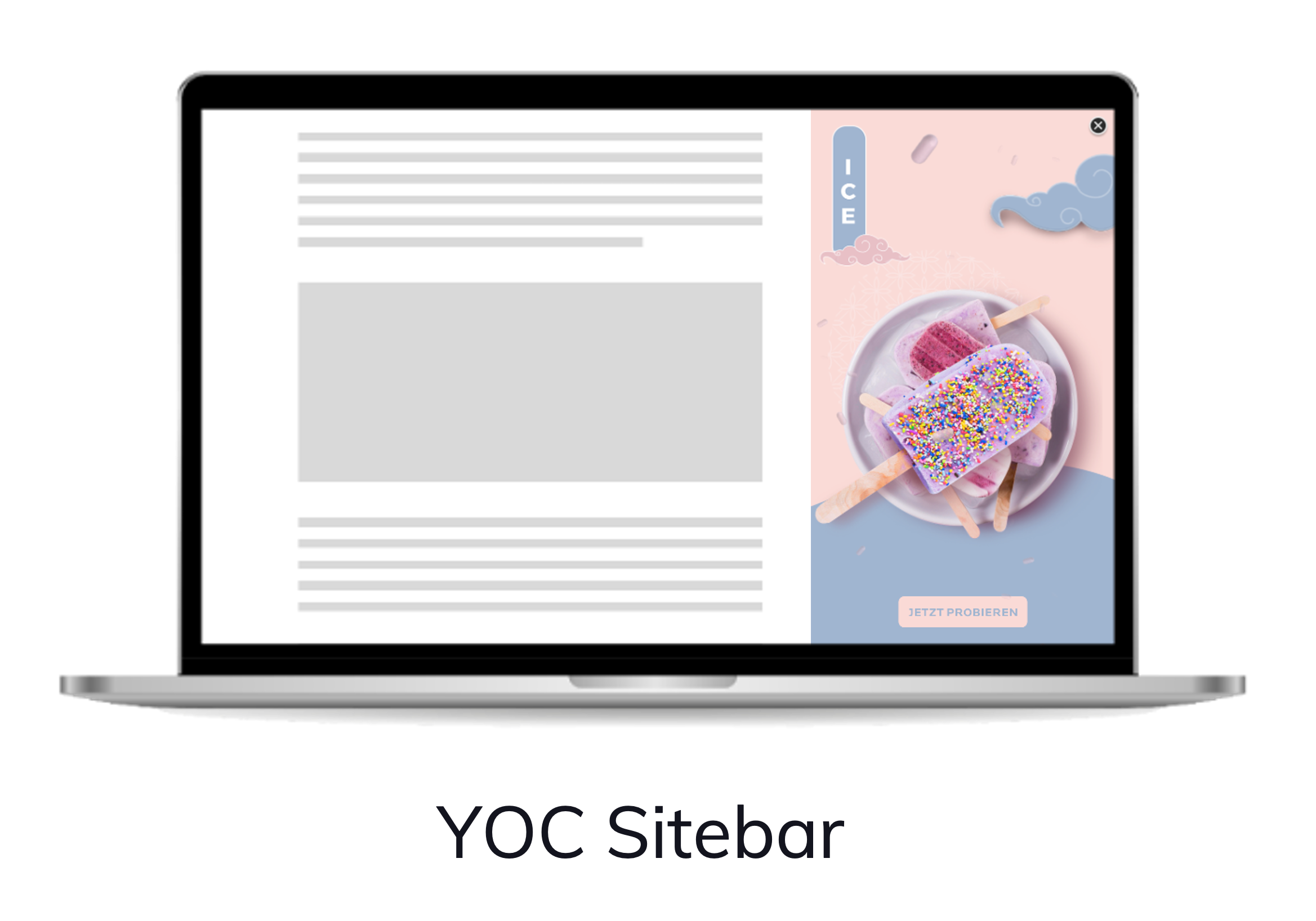
Desktop consumption may be lower in total volume than mobile, but it remains significant, especially during work hours or research-driven browsing sessions. The larger screen and more focused usage pattern make desktop an ideal environment for reinforcing campaign messages.
Desktop video offers:
- A stable environment for mid-funnel interactions, where users have more time to engage with content.
- Larger screen real estate, which accommodates more detailed messaging.
- A different behavioral context from mobile: users are more task-driven and deliberate.
CTV: The Lean-Back Video Environment
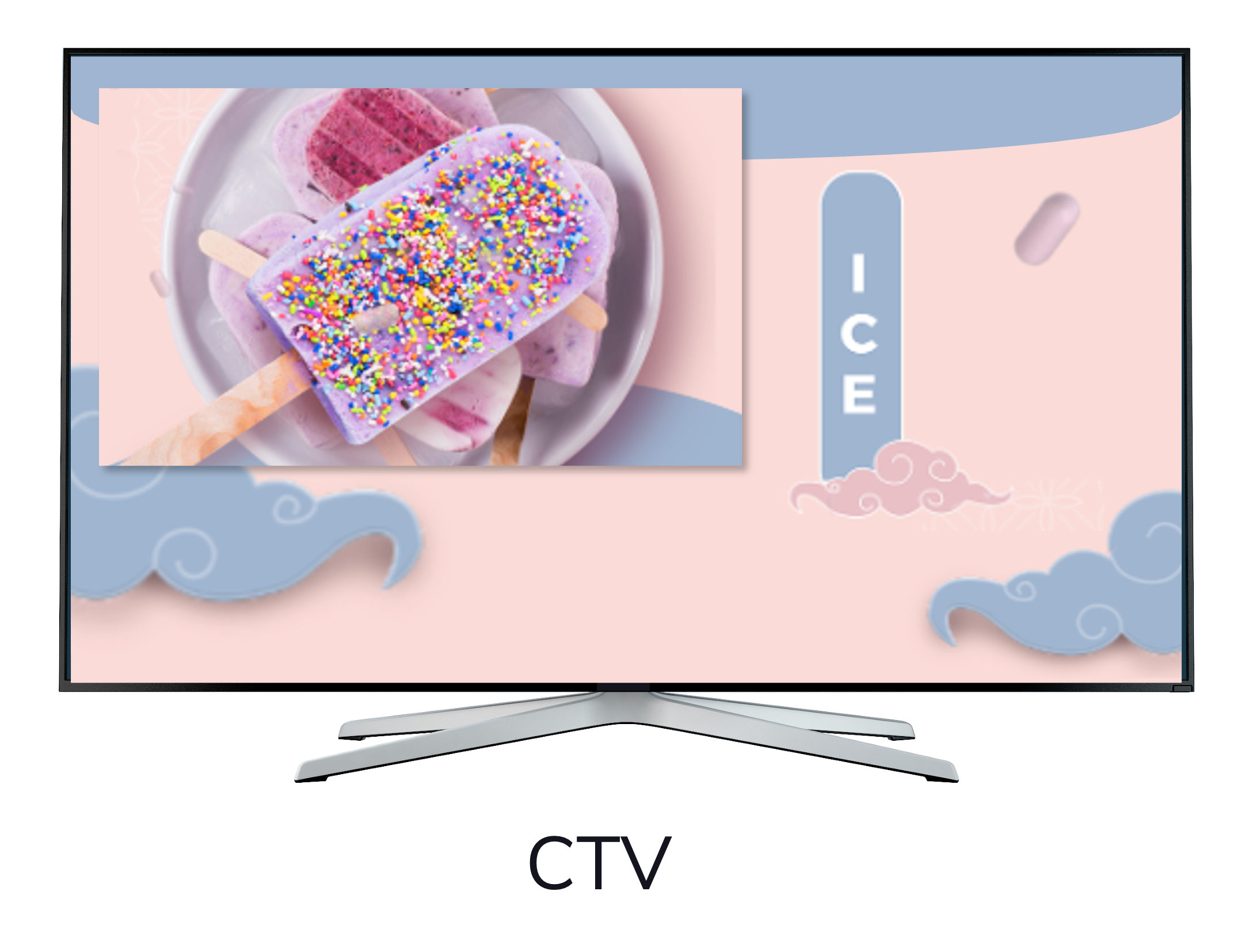
Connected TV has become one of the fastest expanding video environments over the last few years. It combines the reach of television with digital measurement and targeting capabilities. Because viewers watch CTV content in a relaxed, lean-back mode, advertisers can deliver longer or more narrative-driven video assets.
CTV offers:
- Longer-form storytelling opportunities.
- High completion rates, as content is typically consumed in a continuous flow.
- TV-like quality with digital targeting and measurement.
- Additional reach beyond traditional broadcast or platform-specific streaming apps.
CTV is especially valuable when paired with mobile and desktop touchpoints. Users may first encounter a brand on mobile during the day, and later see a 10–20 second spot in a relaxed, lean-back setting at home. This builds frequency and emotional connection without overwhelming a single device.
Why Cross-Device Strategy Is Essential
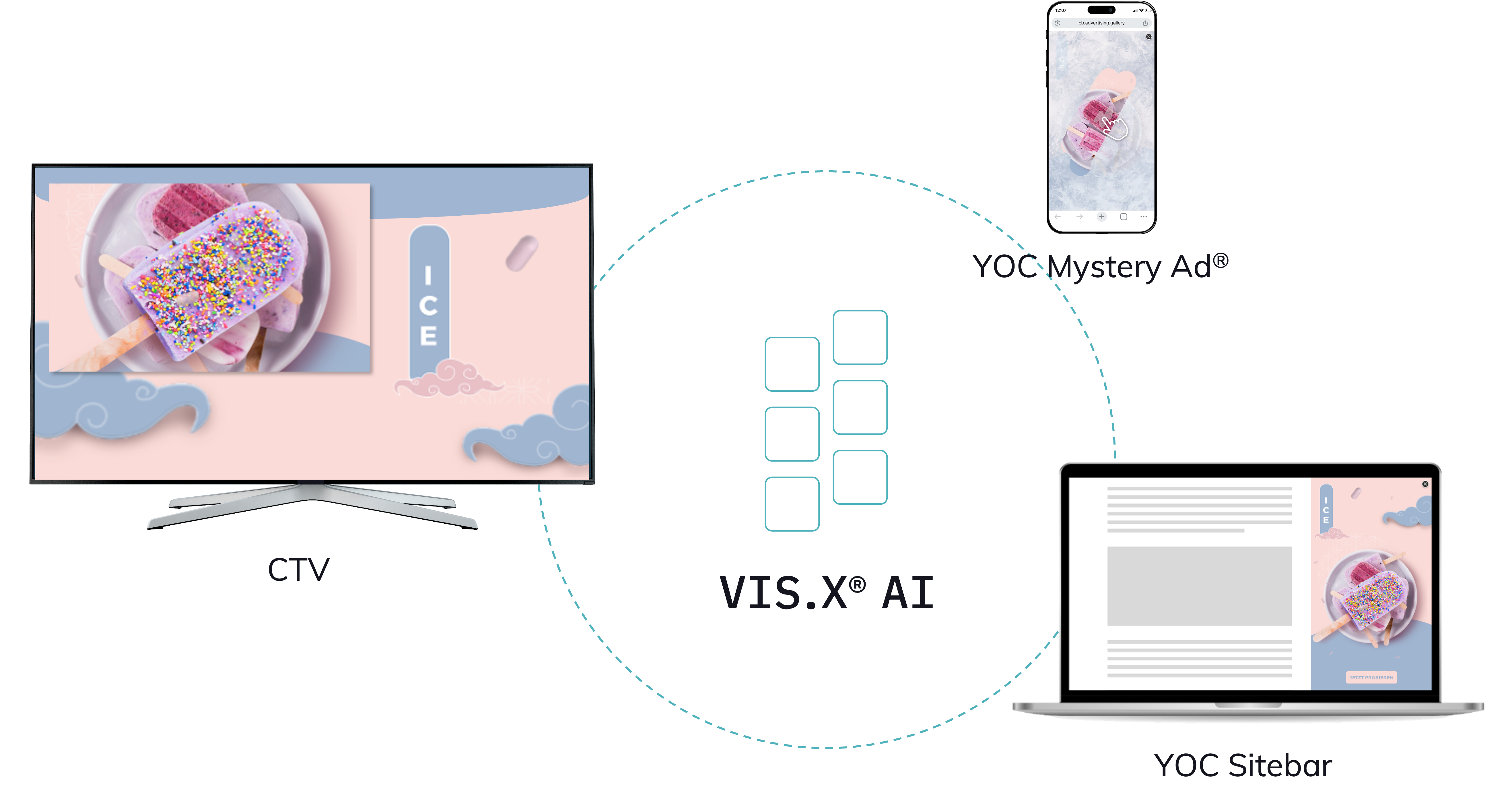
People don’t move through digital channels in a linear way. They might see a short clip on their phone in the morning, read an article on desktop later in the day, and watch CTV content in the evening. A video strategy that mirrors this behavior creates consistency without oversaturation.
A cross-device setup lets advertisers build familiarity across different contexts. The message evolves naturally: mobile provides frequent lightweight exposure, desktop delivers additional depth, and CTV supplies the longer, narrative elements of the campaign. Because all three channels are available through programmatic access on the open web, measurement and optimization can be handled in one connected system.
Conclusion
If you want to build a video strategy that performs, it’s not about choosing between mobile, CTV, or desktop. It’s about understanding how each device contributes to the overall experience and combining these advantages:
- Mobile grabs attention in short bursts.
- Desktop deepens the message.
- CTV delivers emotional storytelling.
- The open web ties it all together with transparency and scale.
When these channels reinforce each other, the result is a holistic video experience that meets people wherever they are, and stays with them throughout their digital journey.
Ready to start a cross-device campaign?